
To manage Telecommunications Debts, review your account with the provider and match bills against payments.
Then choose the right next step based on the amount, the reason for the delay, and whether you need to dispute it.
Telecommunications Debts can surface when you review an old bill, try to reactivate a disconnected line, or plan to sign up for a new package and buy a device on installments. The right response depends on the details: an overdue bill, a payment missing from your account, and a charge for an unfamiliar service each call for different steps. Althaltha finds that sorting Telecommunications Debts by whether the claim is substantiated and why payment is delayed leads to three practical paths: pay a verified amount, resolve an administrative issue, or document a dispute. A late bill alone is not enough to determine what to do.
Information published by telecom providers and the regulator offers a clear starting point: check the amount through your provider account, review its details, then pay or file a documented complaint if something does not match. These steps are especially useful before taking on a new contract, because they help you understand existing obligations and estimate the monthly costs you can afford.
This guide is also available in Arabic.
The Problem: Similar Claims Need Different Channels
Telecommunications debt is a financial claim related to a telecom provider’s services. Start by checking the service account and the bills supporting the claim.
stc1 explains that accessing and paying a bill involves selecting the number or account in mystc, while Zain2 lets customers check amounts due from the “My Account” page. The claimant’s name and account number can help you find the right channel before looking for a payment method.
Government debt-checking services, bank collection rules, and credit reports each have a different scope. SIMAH3 offers credit reports and solutions for consumers and businesses. Its report can help you review recorded credit information, while your telecom provider’s bill remains the direct reference for service and amount details.
Telecom providers’ channels let you review amounts and bill details with each provider. A practical approach is to check your account with every provider you have used, then consult your credit report to review the information it contains.
Symptoms: When Should You Review a Debt?
Review Telecommunications Debts when the amount differs from what you expected, a payment you made does not appear, or a claim is tied to a service you do not recognize.
Zain2 lets customers view bills and payments in “My Account” and distinguishes between amounts due and unbilled amounts. An unbilled usage amount is different from a bill whose due date has passed, which affects how much you should pay now.
One symptom may be that service remains disconnected after payment. According to Zain2, postpaid lines usually return within 10 to 20 minutes after a bill is paid, although system congestion on billing days may cause delays. Althaltha considers this a strong reference for tracking the restoration of a paid Zain postpaid line. For other providers, it recommends checking the restoration timeframe each one specifies.
Other symptoms include a disputed service charge or missing documents. The SAR Guide to Receivables Collection4 explains that delays may result from a billing error, an administrative issue, missing documents, or a temporary cash-flow problem. Althaltha finds that identifying the cause of the delay is a crucial step before choosing a response.
How We Diagnosed It: Match Amounts to Bills and Payments
Diagnosing Telecommunications Debts means matching a claim against the account, bill, and payment history, then identifying where they differ.
The official Zain page2 supports this comparison by letting customers check whether payments have arrived through its bills and payments page. stc1 explains that payment is linked to the number selected in the customer’s account.
For a structured review, follow these steps:
- Identify the provider and the account or number associated with the claim.
- Open the bill and check its issue date and billing period.
- Compare the amount with your payment history and available receipts.
- Determine whether the discrepancy concerns the service itself, its price, or a payment that was not recorded.
- Ask the provider for an itemized statement if the information shown does not explain the claim.
From our experience with customers and users, these review steps help make requests to the provider more precise, especially when a claim concerns an old number or a service whose details you do not remember. That is why Althaltha recommends them.
Test 1: Access the Amount Through the Official Channel
The first test checks whether you can access the amount and account details through the provider’s official channel.
The Althaltha technical team found published instructions for checking through mystc and Zain’s inquiry options, including “My Account” and text messages. The steps below cover mystc and Zain’s official channels.
For stc: The official bill-payment page1 says to log in to the mystc app, select the number at the top of the page, and open “Bills.” To proceed with payment, choose “Pay” and then “Next.” This helps link Telecommunications Debts to the correct number before you continue.
For Zain: The official FAQ2 lets customers check the total amount due through “My Account” or by sending “F” to 959. To check unbilled amounts, send “G” to 959 or use the same page. Althaltha considers the distinction between these inquiries a strong way to understand current obligations compared with a single total that does not separate a bill from ongoing usage.
If a Zain postpaid line is disconnected, the company2 explains that inquiries by text to 959 are unavailable. Use “My Account” or the interactive voice response system instead.
Result 1: A Visible Balance Establishes the Starting Point
A balance in the official account identifies the Telecommunications Debts amount to review. To complete the check, you need to understand its components and link them to your service.
stc1 lets customers select the account to pay, while Zain2 lets them review account details. Althaltha therefore considers access to details that can be matched against your records more useful than knowing only the total.
If a bill relates to a service you recognize and matches your payment history, paying it is a clear next step. But if an amount is unclear, ask for an explanation before deciding what to do. If an old account does not appear in the app, Althaltha recommends contacting the provider and requesting a statement showing the amount and period involved.
To calculate total Telecommunications Debts, Althaltha suggests adding the balances verified with each provider and recording disputed amounts separately. This keeps the distinction clear between a verified amount and a claim still under review.
Test 2: Match Due Dates, Payments, and Dispute Reasons
The second test checks whether a Telecommunications Debts bill is actually due and whether the account reflects the payments you made.
Zain2 states that a bill’s due date falls 21 days after it is issued. Althaltha considers this a strong reference for identifying when a Zain bill is due and recommends checking the due date on each company’s bill when reviewing other claims.
Complete the match by checking the bills and payments page provided by Zain2. If you have a payment receipt but the transaction does not appear in your account, the practical question is whether the payment was recorded and linked to your account. If you do not recognize the service, ask for the claim documents and details.
Because the reasons differ, Althaltha recommends describing the issue clearly in your review request: “payment not shown,” “bill amount discrepancy,” or “service I do not recognize.” This makes the problem clearer to the team handling it.
Result 2: A Complete Match Determines the Right Response
Matching Telecommunications Debts leads to one of three actions: pay a clear amount, request an administrative correction, or dispute the claim or its value.
The SAR guide4 explains that collection may begin with contact, a review of debt information, document verification, and confirmation of the amount and payment date. In line with this, Althaltha finds that a claim lacking supporting documents requires more information before the customer can make a decision based on clear details.
If the amount is clear but cash flow is tight, the issue is your ability to pay. You can ask the provider what options are available for your account, without assuming that installments or waivers apply to all customers.
The Solution: Official Payment or a Documented Dispute
Resolve Telecommunications Debts by paying an amount verified through official channels or filing a clear complaint if the claim contains a discrepancy.
To find debts recorded in your name, you can obtain copies of your credit reports5. They show money you borrowed and what you have repaid. Review the details to check that the amounts and recorded information are accurate.
To check debts recorded in your name, you can obtain copies of your credit reports5. They show money you borrowed and what you have repaid. Review the details to make sure they are accurate.
stc1 lets customers pay through mystc using methods that include credit cards and SADAD. The published website steps are to select the account, choose “Pay,” then “Payment,” then “Pay Now,” and finally select a payment method.
Zain2 lets customers pay by credit card through “My Account,” through SADAD, or at its branches. It also allows partial bill payments or payments before a bill is issued, and says that paying through “My Account” is free. Althaltha considers the option of partial payment a strong way to manage cash flow compared with a full-payment-only option, while advising customers to check with the company what happens to the remaining balance.
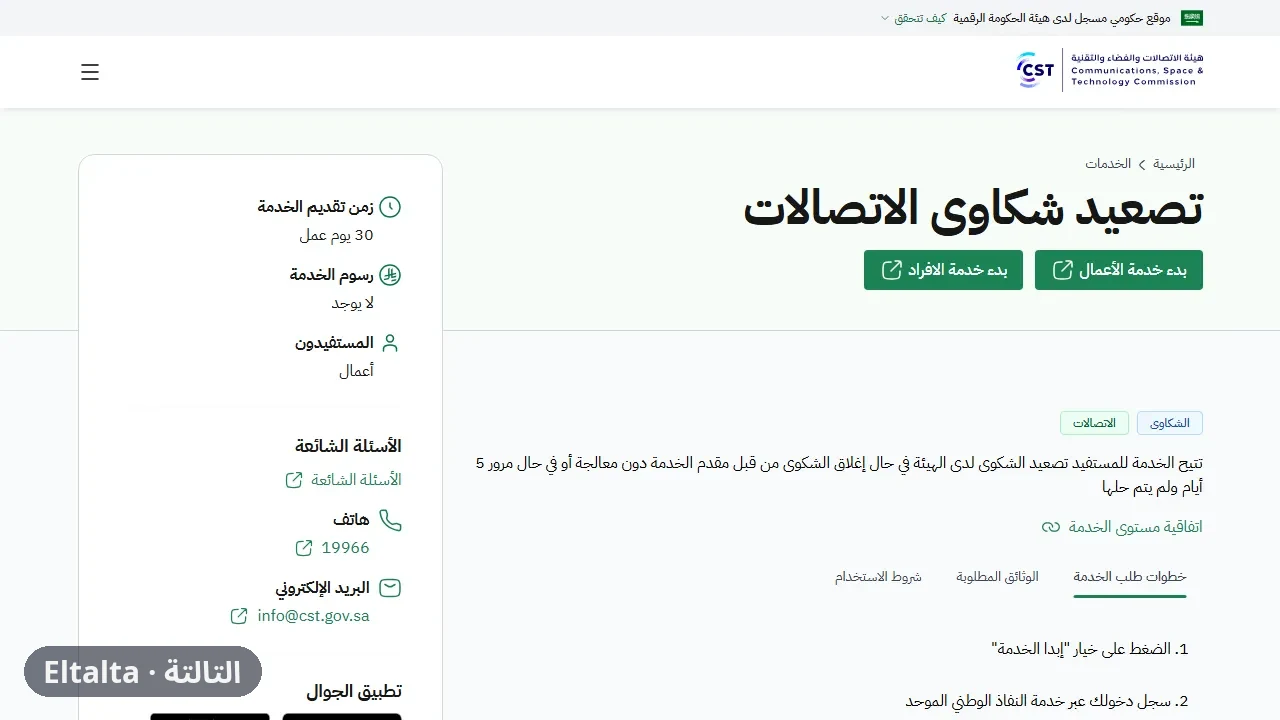
To dispute a claim, first complain to the provider, then escalate to the regulator within the specified timeframes. According to the information published about the CST telecom complaint escalation service6:
- A customer can file a complaint with the provider within 60 days of the bill’s issue date or the incident being complained about.
- A customer may escalate after 5 days without a response, or if the complaint is closed without being resolved.
- A customer must escalate within no more than 180 days of the complaint being closed or the resolution period ending.
Althaltha considers these timeframes a strong reference for managing a dispute. Comparing them shows that the complaint deadline, the provider’s response period, and the escalation window serve different purposes. Recording the date and reference number for each stage is therefore useful.
The CST6 explains that escalation starts by selecting “Start Service,” signing in through “Nafath,” and completing the form, with an optional field for comments. The service is free, and its published processing time is 30 business days. Althaltha considers this timeframe useful for planning follow-up, especially in comparison with the provider’s shorter response period. It should not be treated as a promise of a particular complaint outcome.
Retest: Confirm the Account Reflects the Resolution
A Telecommunications Debts issue is resolved when the change appears in bills and payments and matches the payment or correction confirmed by the provider.
Zain2 lets customers check whether a payment arrived through its bills and payments page. After paying, you can return to that page and compare the transaction with your receipt. If a Zain line still does not return after payment, the company says customers can contact 959.
After a dispute is accepted, Althaltha recommends checking the balance and revised bill and keeping the provider’s response. If a credit report shows a discrepancy, these records can help when requesting a review. A clear complaint outcome makes it easier to check that the account has been updated correctly.
When This Solution Does Not Apply: Other Types of Claims
This process covers Telecommunications Debts. Different channels apply when a claim is governmental, related to financing, or commercial between companies.
SIMAH3 offers credit services for individuals through “Mulem” and services for businesses through “Simat.” Meanwhile, the Saudi commercial debt page7 describes claims that may begin with letters and settlements before proceeding to courts or enforcement, depending on the case. These differences make it important to identify the claimant and the type of claim before choosing where to seek a review.
Buying a device or signing up for a new package also calls for a separate review of the new commitment’s cost. Althaltha recommends comparing recurring fees and any device installments in the offer with the Telecommunications Debts you have already verified.
Credit Records: How to Review Debts in SIMAH
Start reviewing credit information through SIMAH’s official services. For telecom bill details, contact the provider.
SIMAH3 explains that “Mulem” offers credit solutions to help individuals understand their credit standing. You can consult SIMAH’s official services for instructions on obtaining a report and ask the information provider to clarify the terms and timing for recording Telecommunications Debts.
When reviewing your report, Althaltha recommends matching any Telecommunications Debts entry against the provider’s name, account, and amount, then asking the information provider to explain any discrepancy. This keeps the distinction clear between reviewing what appears in the report and finding every outstanding bill held by telecom companies.
Case Study: A Customer Says They Did Not Order Two Bills
This published case shows why it matters to review whether a service was actually ordered when Telecommunications Debts relate to a product the customer says they did not request. In an individual account shared on the Saudi Telecom Company reviews page on PissedConsumer8, the reviewer listed specific amounts and an outcome they said they achieved. Althaltha considers the case limited as general evidence because it is a user’s account, but relevant to the kind of dispute discussed in this guide.
Expert viewA reviewer on PissedConsumer8: They said they received two bills for 1688.23 SAR and 2237.53 SAR for a mobile phone they said they had not ordered, asked for the bills to be removed from their record, and then reported that the overdue balance had been removed from their national ID.
Althaltha’s Analysis: Three Paths Based on the Claim and Delay
Althaltha’s analysis: Sorting Telecommunications Debts by whether a claim is substantiated and why payment is delayed leads to three practical paths: pay a verified amount, resolve an administrative issue, or document a dispute. A late bill alone is not enough to determine what to do.
This analysis draws on the causes and review procedures described in the SAR Guide to Receivables Collection4, as well as the bill, payment, and dispute channels listed in official sources. Each path identifies a document you need:
- Verified claim and delayed payment: The key document is a bill matching the account. The next step is to pay or explore payment options offered by the provider.
- Clear claim with an administrative obstacle: The key document is a payment receipt or missing statement. The next step is to link the payment, provide missing documents, or correct the account.
- Unrecognized claim or disputed amount: The key document is evidence of the service and its price. The next step is to file a documented dispute and track it within the applicable deadlines.
Based on the Althaltha team’s analysis, after analyzing recently published technical data and documents, our engineers concluded that a late bill alone is a limited indicator for choosing a response. Considering both whether the claim is substantiated and why payment is delayed provides a stronger basis for a decision. As a result, a general request such as “I want the debt removed” can be turned into an actionable request: provide details of the service, record a payment, or correct a specified amount.
Frequently Asked Questions
How Can I Find All Telecommunications Debts in My Name?
Check your account with every provider you have used, then add up the Telecommunications Debts you have verified. stc1 offers mystc channels, and Zain2 offers “My Account” for inquiries. You can review each provider’s bills through your account with them.
How Do I Check My stc Debt?
According to stc1, start by selecting the number in mystc and opening “Bills.” Selecting the number first helps link Telecommunications Debts to the account you mean.
How Can I Check Zain Debt on a Disconnected Line?
You can use “My Account” or the interactive voice response system, according to Zain2. The company says that text inquiries to 959 are unavailable for a disconnected postpaid line.
How Can I Confirm That the Debt Is Mine?
To confirm that Telecommunications Debts are yours, Althaltha recommends matching the account number, period, and service against your records and requesting claim documents if there is a discrepancy. Zain’s account details on its site2 and number selection in mystc1 can help you begin that review.
Do Telecommunications Debts Appear in SIMAH, and When?
You can check whether Telecommunications Debts appear in your report through SIMAH’s official services for individuals3 and ask the information provider when they are recorded. Match any unclear claim with the telecom provider.
What If the Provider Closes My Complaint Without Resolving It?
You can escalate the complaint through the Communications, Space and Technology Commission6, subject to the requirements and timeframes outlined in the solution section. Including the complaint reference number, bill, receipts, and provider response helps clarify the issue concerning Telecommunications Debts.
Methodology
This guide is based on information the Althaltha team collected by automatically monitoring published sources and organizing it to support debt checks and resolution.
Althaltha engineers reviewed sources from 4 official bodies: stc, Zain, the Communications, Space and Technology Commission, and SIMAH. They also reviewed one guide to receivables management and one user account involving two bills for specified amounts. After a series of comparisons, they concluded that reviewing a bill alongside the payment history provides a fuller picture than reviewing the balance alone. The Althaltha Lab team checked and compared the published figures in terms of what they indicate about complaint filing, handling, and escalation periods, finding that each period applies to a different stage. Althaltha also compared two inquiry paths with providers and the option to review payments after settling a bill, then used the findings to build the diagnostic steps and three paths in the analysis. Facts and figures are attributed to their sources throughout the article.
Data collection: Monitoring by the platform team using manual analysis and advanced information-tracking techniques: store listings, published spec pages, and public Reddit and YouTube comments.
Sources (8)
- stc — stc.com.sa
- Zain — sa.zain.com
- SIMAH — simah.com
- SAR Guide to Receivables Collection — saar-agency.com
- credit reports — citizensadvice.org.uk
- CST telecom complaint escalation service — cst.gov.sa
- Saudi commercial debt page — saudibestlawyers.com
- Saudi Telecom Company reviews page on PissedConsumer — saudi-telecom-company.pissedconsumer.com


